Care
How to wash a crochet blanket without ruining it
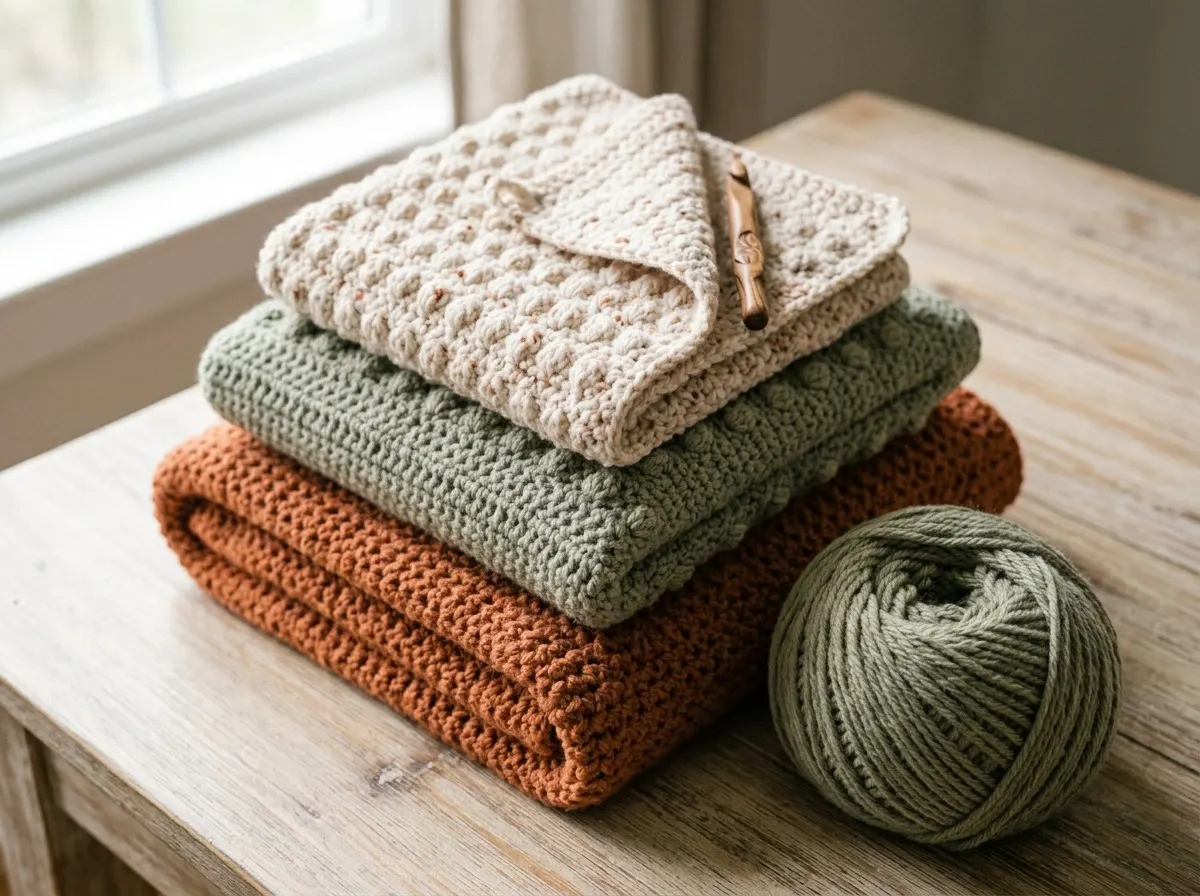
A handmade blanket can survive decades of washing, or lose its shape in a single afternoon. The difference is almost always the same three things: water temperature, how it is dried, and whether it ever went near a tumble dryer.
The short answer
Cotton crochet can be machine washed cold on a gentle cycle and must be dried flat. Wool should be hand washed cold and never wrung out. Acrylic is the most forgiving, but heat still flattens the stitches permanently. When in doubt, hand wash cold and dry flat: that is safe for every fibre.
First, find out what it is made of
Care depends entirely on the yarn, so start there. Our product pages list the exact fibre under Details, and every piece ships with a care card.
- Cotton softens with each wash and holds its shape well. It can take a machine, gently.
- Wool and merino feel wonderful and insulate beautifully, but the fibres have tiny scales that lock together under heat and agitation. That is felting, and it is not reversible.
- Acrylic and blends tolerate washing but melt slightly under high heat, which is what makes an old blanket feel stiff and shiny.
Washing a cotton blanket
- Put it in a mesh laundry bag or a zipped pillowcase. This stops the blanket stretching under its own weight while wet, which is the most common way a throw ends up longer than it started.
- Cold water, gentle cycle, mild detergent. Skip fabric softener: it coats cotton fibres and makes them less absorbent over time.
- Spin on low, or not at all. A hard spin sets creases into the stitches.
Washing a wool blanket
- Fill a basin with cold water and a capful of wool wash or baby shampoo.
- Press the blanket under the water and leave it 10 to 15 minutes. Do not swirl, rub or twist. Agitation plus water is what felts wool.
- Rinse in water of the same temperature. A sudden change from warm to cold shocks the fibres and shrinks them.
- Press the water out gently, never wring.
Drying: the part that matters most
Lay the blanket flat on a dry towel, roll the towel up like a sleeping bag, and press to draw the water out. Then unroll and lay the blanket flat on a fresh towel or a drying rack, away from direct sun and radiators. Nudge it back into its original shape while it is damp, squaring the corners and straightening the edges. It will dry in that shape.
Never hang a wet crochet blanket over a line or a bannister. Wet yarn is heavy, and the blanket will stretch into a long, thin version of itself. And never use a tumble dryer, even on low: heat is what causes shrinking in wool and permanent flattening in acrylic.
Drying takes 24 to 48 hours depending on thickness. Turning it over halfway helps.
How often should you wash it?
Less often than you think. A throw that lives on the sofa needs washing two or three times a year. Airing it outdoors on a dry day freshens it without any water at all. For spills, spot clean with cold water and a little mild soap on a cloth, working from the outside of the mark inwards.
Fixing the two most common problems
A snagged loop. Do not cut it. Use a crochet hook or a blunt needle to ease the loop back through to the wrong side of the fabric, then gently tug the neighbouring stitches to redistribute the slack.
It has stretched out of shape. Wash it again, then dry it flat and square, pinning the edges if you have blocking mats. Cotton and wool both respond well to being reshaped while damp.
Storing it between seasons
Wash it before it goes away, because moths are drawn to traces of skin and food rather than to clean fibre. Fold it loosely in a cotton bag or a pillowcase so the fibres can breathe, and keep plastic boxes for things that are not wool. A cedar block or a lavender sachet in the bag helps.
Treated this way, a handmade blanket outlasts almost everything else in the room. Ours are made to be used daily, not saved for guests.